By Jordan B. Segal, Esq., Maddin Hauser
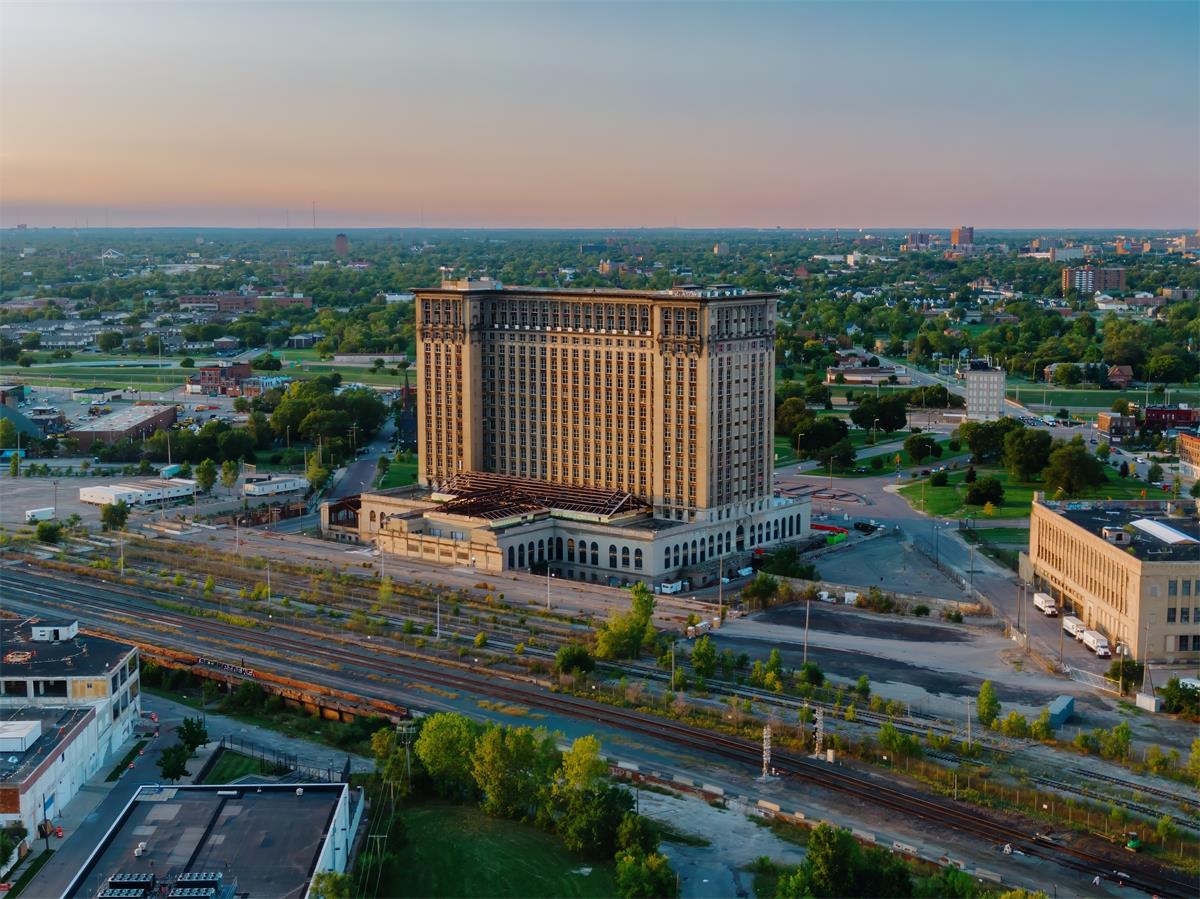
The restoration of Michigan Central Station in Detroit is one of Michigan’s most prominent examples of adaptive reuse. Once emblematic of industrial decline, the station’s transformation into a mixed‑use innovation campus illustrates the potential of reuse when capital investment, political will, and legal feasibility align. Michigan Central illustrates a broader principle: adaptive reuse succeeds when legal issues are identified and managed at the outset. This article highlights the core diligence “legs of the stool”—zoning and land use, title, survey, and environmental compliance—and offers a practical framework for triaging risk during due diligence.
Read More or Comment